Techniques
How to Bake a Custard
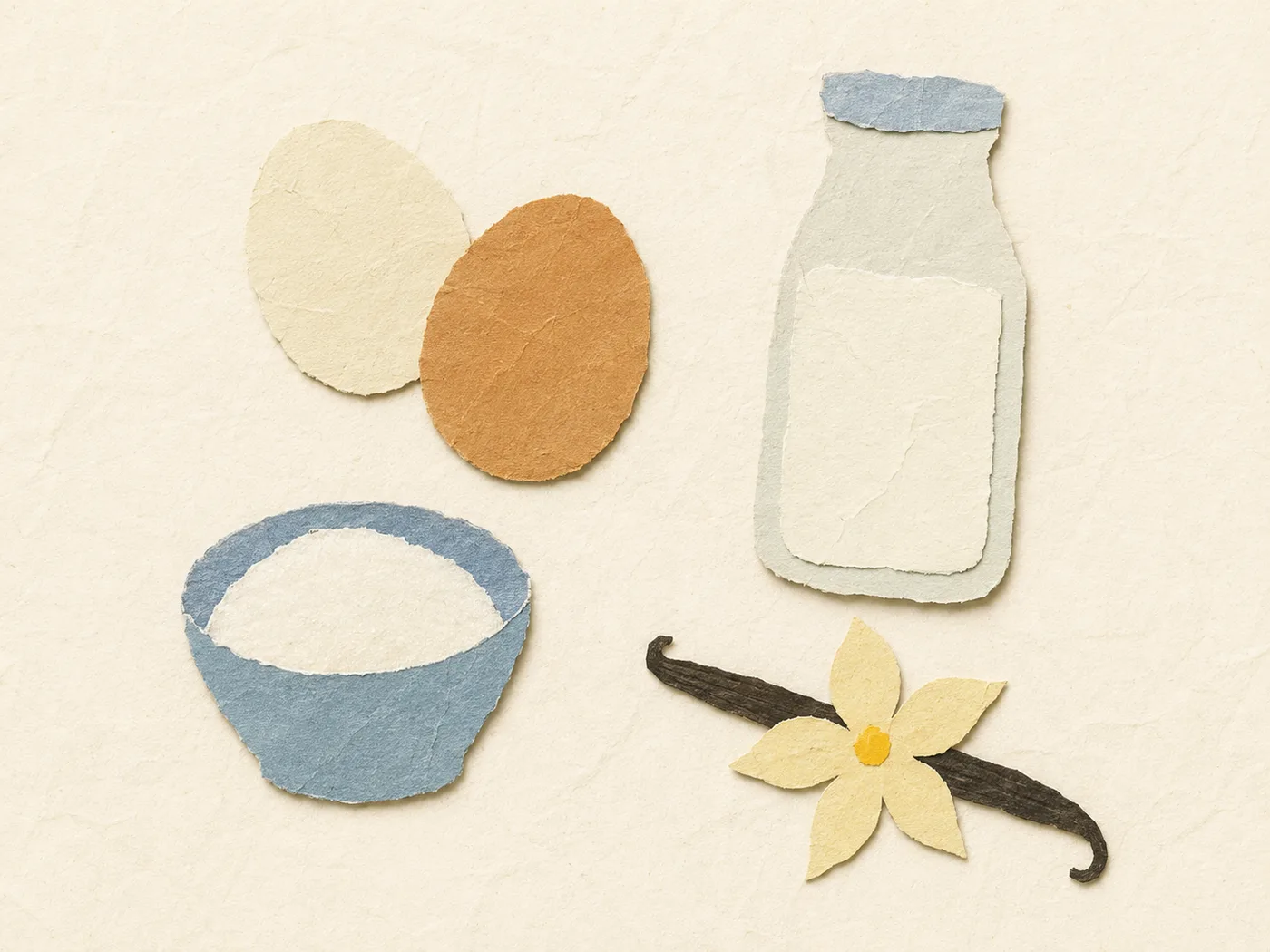
Baking a custard turns eggs and dairy into something that slices clean and holds a spoon: no starch, no gelatin, just egg proteins doing the setting. The method is a controlled coagulation. You whisk eggs into warm milk or cream, pour the base into a dish, and bake it in a low oven, usually inside a water bath, until the proteins knit into a tender gel. The water bath is the whole trick. It buffers the oven heat so the custard sets gently and evenly instead of curdling at the edges before the center catches up.
Instructions
- 1Warm the dairy in a saucepan over medium heat until it just steams, and stir in any flavorings (vanilla, citrus, steeped aromatics) so they infuse.
- 2Whisk the eggs or yolks with the sugar and salt until smooth, but do not beat in air; you want a silky base, not a foamy one.
- 3Temper the eggs: whisk a small ladle of the warm dairy into the eggs first, then pour that mixture back into the pan in a slow, steady stream while whisking, so the eggs never scramble.
- 4Strain the base through a fine sieve to catch any cooked bits of egg and leave the texture glass-smooth.
- 5Pour the custard into ramekins or a baking dish, and set them in a deep pan.
- 6Build the water bath: pour hot water into the outer pan until it reaches halfway up the sides of the dishes.
- 7Bake in a moderate oven, 300 to 325 F (150 to 165 C), until the edges are set and the center barely jiggles when you nudge the pan, roughly 30 to 60 minutes depending on the vessel.
- 8Check doneness at the center: it should read about 170 to 175 F (77 to 80 C) and wobble like set gelatin, not slosh like liquid.
- 9Lift the dishes out of the water bath and cool, then chill if the recipe calls for it; the custard firms up as it cools.
Cook's Note
Pull the custard while the center still jiggles. It carries over as it cools and firms into its final set, so a custard that looks fully firm in the oven is already overbaked. Trust the wobble and the temperature (about 170 F / 77 C at the center) over the clock.
How to Use This
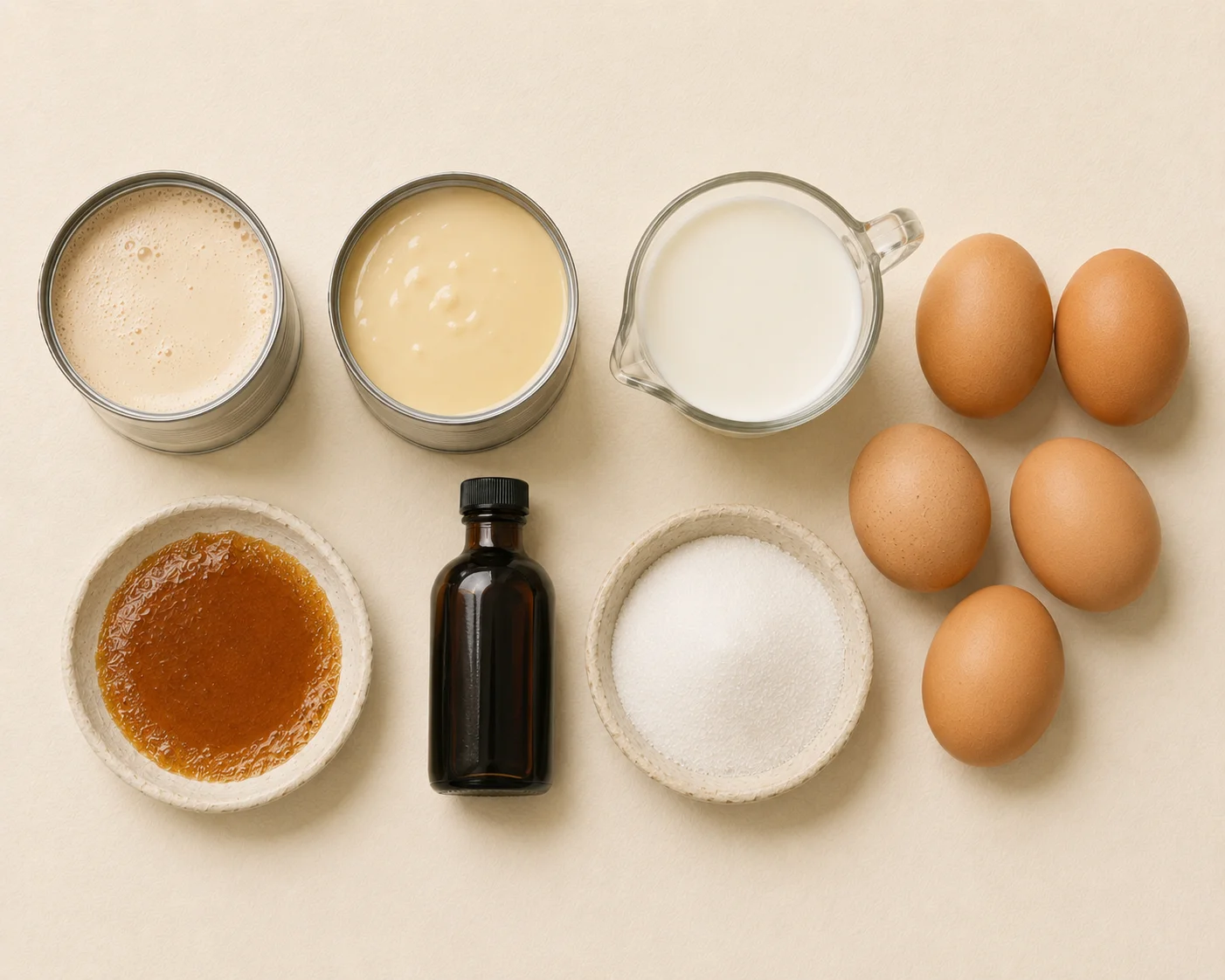
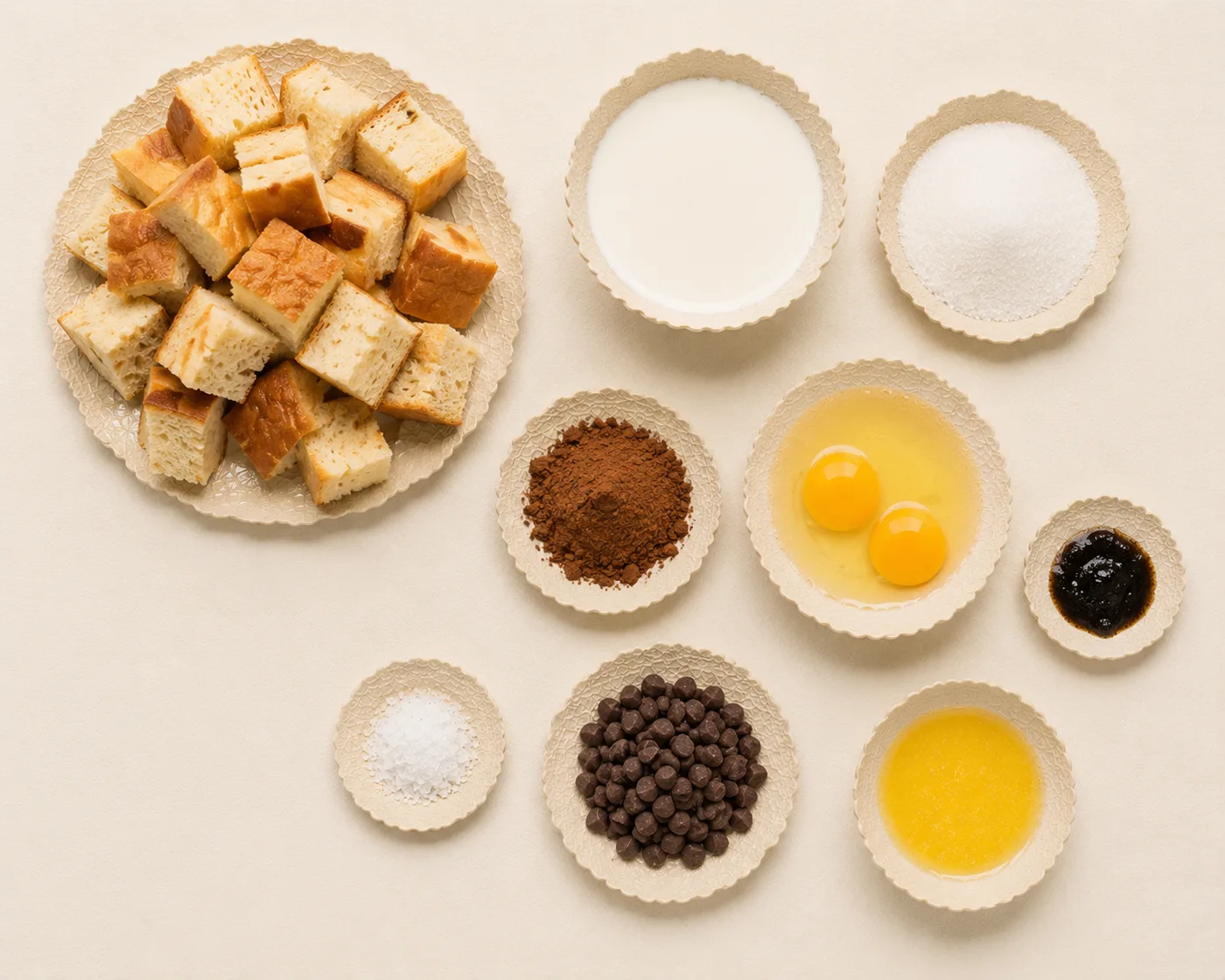
This method backs the baked-custard dishes across the site. Flan sets a plain egg-and-milk base over a dry caramel and unmolds into its own sauce. The Jamaica Crème Custard bakes a hibiscus-steeped cream base in the same water bath for a tart, floral finish. Bread Pudding pours the custard over cubed bread and lets it set around the soak. All three lean on the same gentle coagulation; get the doneness window right and the flavor is where you get to play.
Why This Method Works
Egg proteins unfold and link into a gel as they heat, coagulating between roughly 160 and 180 F (70 and 82 C), which is why a finished custard is pulled at about 170 to 175 F (77 to 80 C), set but still trembling. The water bath keeps the vessel from ever climbing much past the boiling point of water, so the custard rises slowly and evenly toward that window instead of overshooting at the edges. Push past it and the proteins over-tighten, squeezing out the water they were holding, which is what turns a silky custard grainy and weepy.
Make It Yours
- Caramel-lined: coat the ramekins with a dry caramel before pouring in the base, as in flan, so it pools into a sauce when you unmold.
- Steeped and infused: simmer the dairy with an aromatic and strain it out before baking, the way the Jamaica Crème Custard steeps dried hibiscus into the cream for a tart, floral edge.
- Set around bread: pour the base over cubed bread and let it soak before baking, the Bread Pudding route; the custard sets around the bread instead of standing alone.
- Yolks-only for richness: swap whole eggs for extra yolks to get a denser, more velvety set, closer to crème brûlée than a plain baked custard.
- No water bath, gentler oven: for a bread-based bake you can skip the water bath and drop the oven lower, baking covered so the top does not dry out before the center sets.
Keep Cooking