Techniques
How to Braise
↓ Jump to recipe
Prep
20 min
Cook
3 to 6 hours (up to 12 for birria)
Total
6 hr 20 min
Serves
4 to 6
Braising turns cheap, tough cuts into something you can pull apart with two fingers. It's a two-step method: sear the meat until it's deeply browned, then let it cook slowly in a small amount of liquid with the lid on. The long, gentle heat breaks down the tough connective tissue and turns it into a silky, rich sauce.
Ingredients
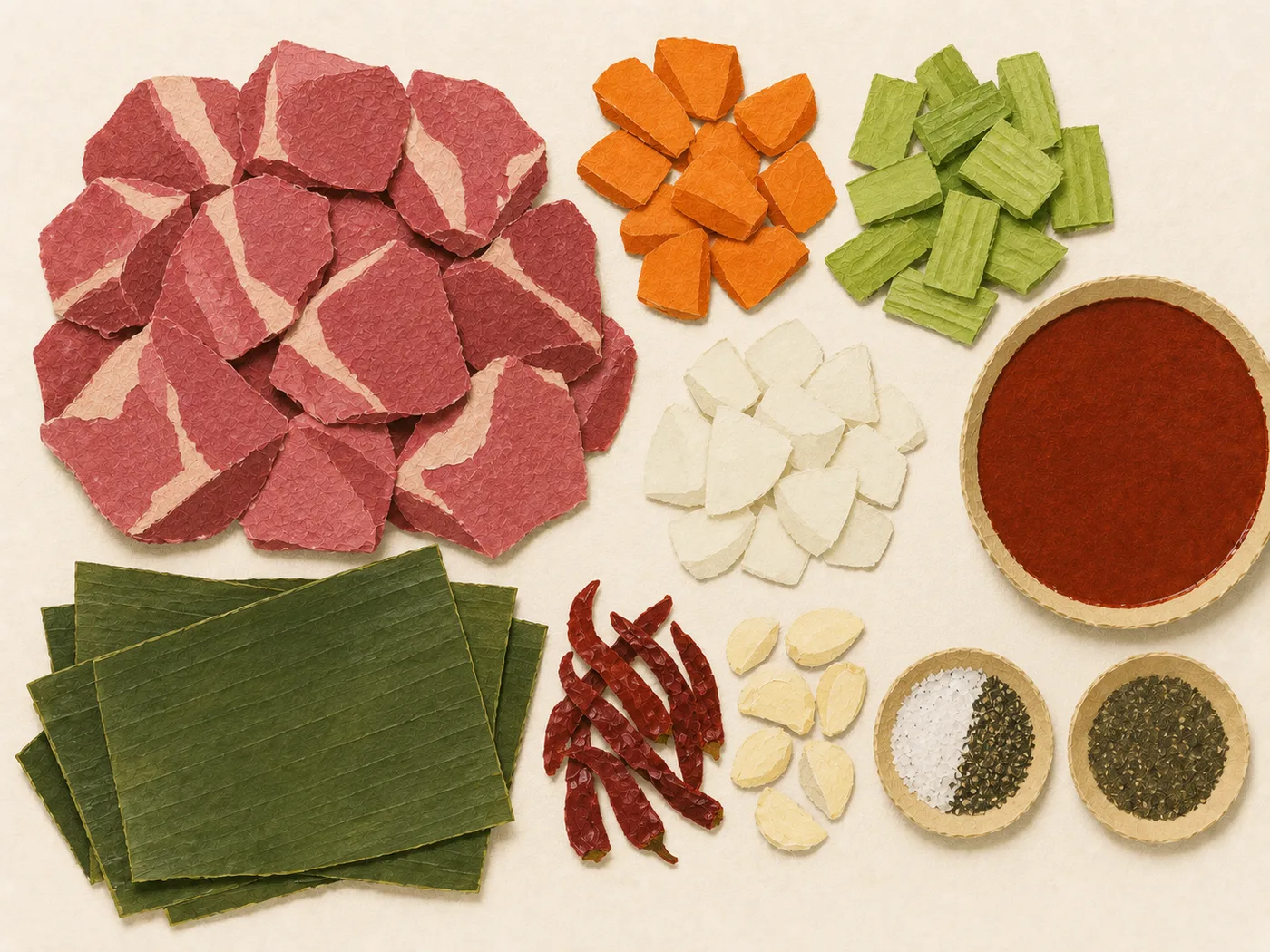
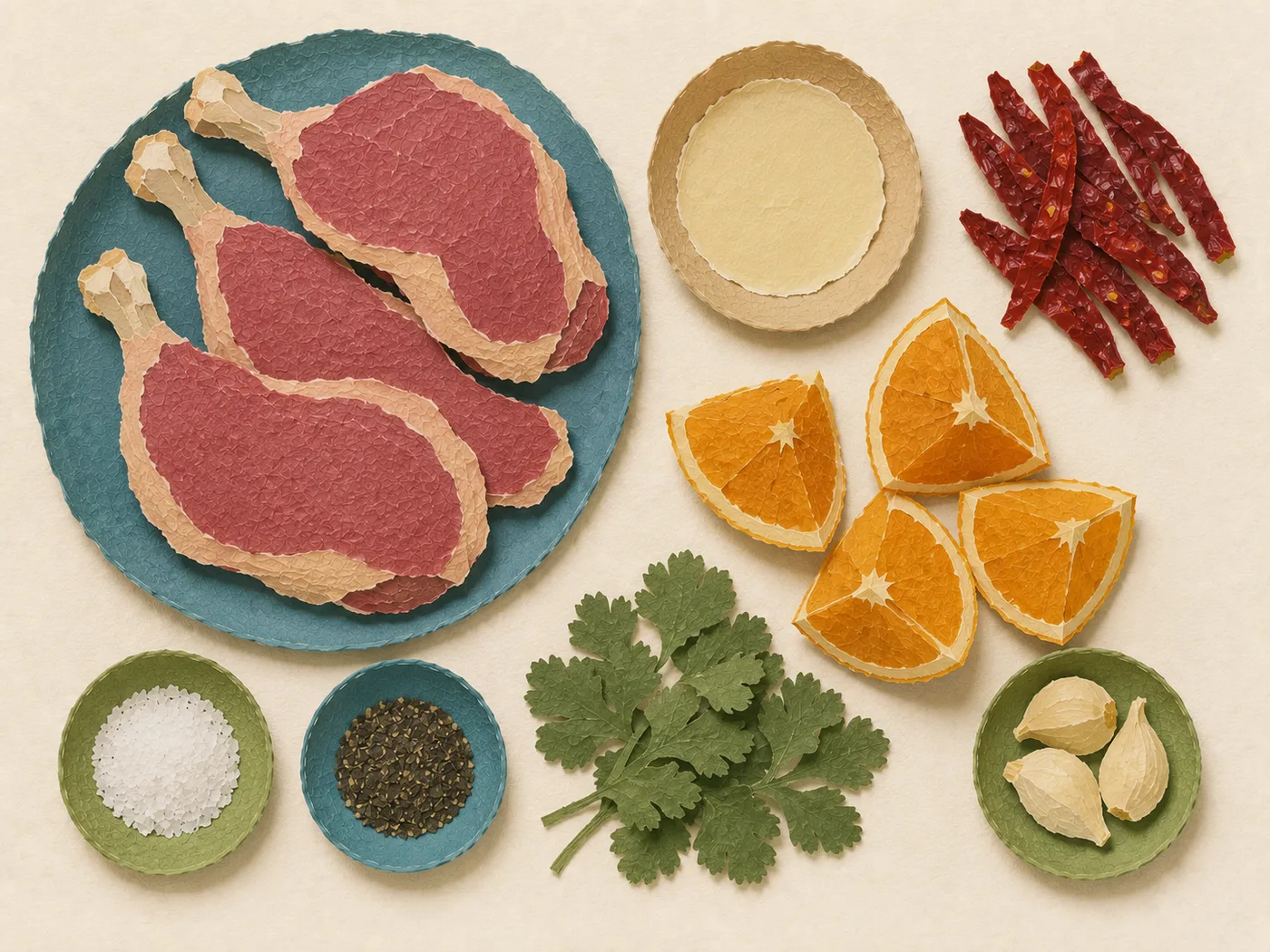
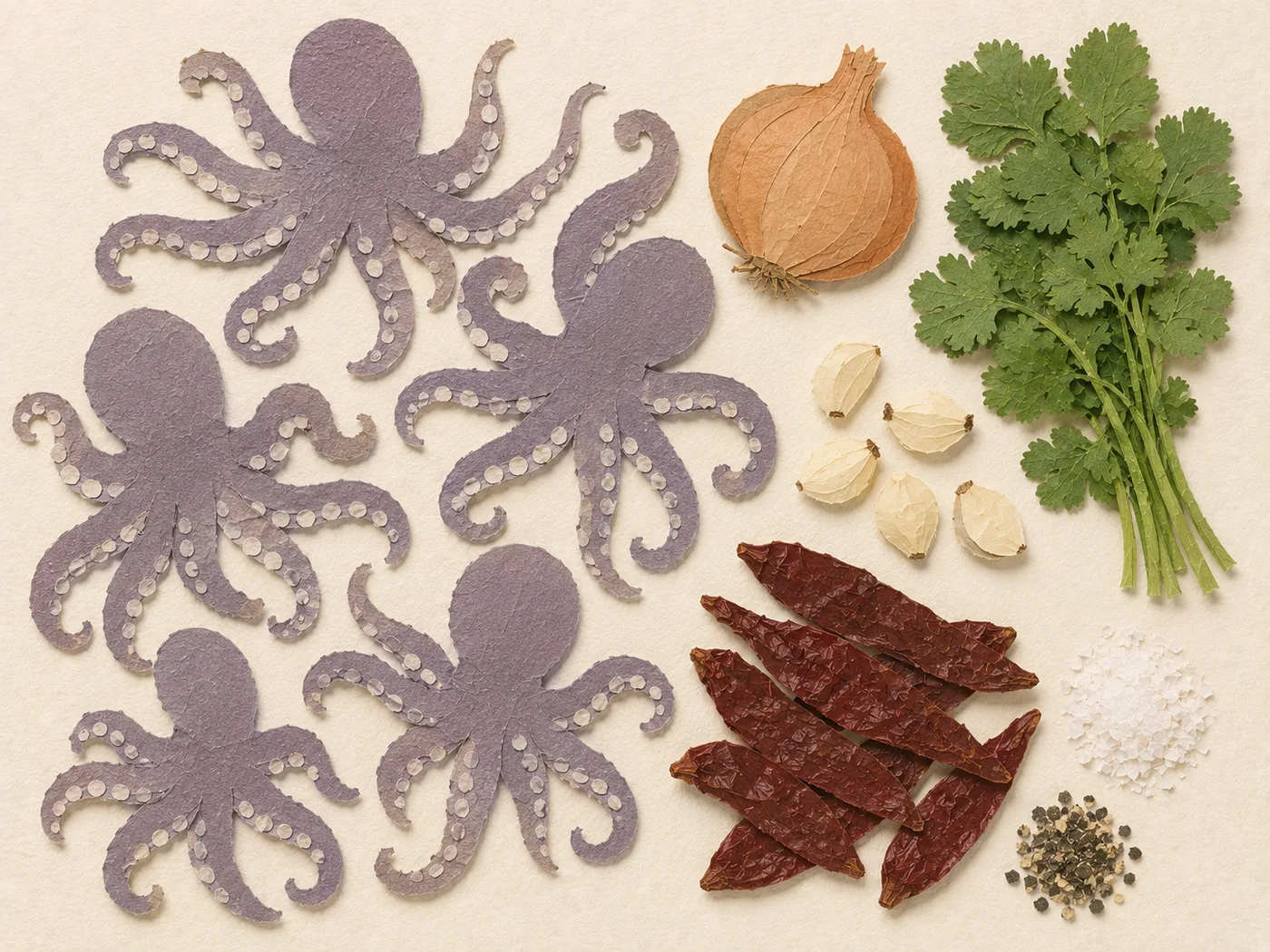
- 2–4 lbs tough cut (short ribs, pork shoulder, lamb belly, chicken thighs, oxtail)
- 2 tbsp neutral oil
- 1 onion, roughly chopped
- 4 cloves garlic
- 1–2 dried chiles (ancho, guajillo, or pasilla)
- 1 cup liquid (stock, beer, citrus juice, or water)
- Salt and pepper
Instructions
- 1Pat the meat completely dry with paper towels. Season generously with salt.
- 2Heat oil in a heavy pot (Dutch oven) over high heat until shimmering. Sear the meat in batches, getting deep color on all sides. 3 to 4 minutes per side.
- 3Remove the meat and set aside. In the same pot, cook aromatics (onion, garlic, chiles) until softened, scraping up the browned bits from the bottom.
- 4Add your liquid. Return the meat to the pot. It should sit nestled in the liquid, not fully submerged. One-third up the sides is the target.
- 5Bring to a simmer, then cover tightly. Transfer to a 300°F oven, or reduce heat to the lowest setting on your stove.
- 6Cook low and slow: 2 to 3 hours for chicken thighs or pork belly; 3 to 4 hours for pork shoulder or lamb; 5 to 6 hours for oxtail or beef short ribs; up to 12 hours for birria.
- 7The meat is done when it yields completely to a fork and falls apart without resistance.
- 8Rest the meat in the liquid for at least 20 minutes before serving.
How to Use This
Braising is the backbone of the slow-cooked proteins on the menu. Birria, carnitas, cochinita pibil, chicken guisado. The braising liquid is never wasted: reduce it into a sauce, dip tortillas in it for quesabirria, or spoon it over the plate. Most braises are even better the next day once the fat has solidified and can be skimmed off.
Why This Method Works
Tough cuts are tough because they're packed with collagen (the connective tissue in hard-working parts of the animal: shoulder, legs, ribs, tail). Low, steady heat keeps the meat below the temperature where it would dry out, while enough time lets all that collagen melt into gelatin. The result is meat that's tender and coated in its own natural, silky thickener.
Make It Yours
- Beer braise: Replace the stock with a dark lager or stout. Works especially well for beef short ribs and oxtail.
- Citrus braise (Cochinita-style): Use fresh orange and lime juice as the braising liquid with achiote paste. The citrus balances the fat.
- Chile braise (Birria-style): Toast and rehydrate dried chiles (ancho, guajillo, pasilla), blend with garlic and broth, and use as the entire braising liquid. Strain and reduce the leftover liquid into a consomme for dipping.
- Quick caramelized finish: After braising, uncover for the last 30 minutes at 375°F to get some color on the top of the meat.
- Braised vegetables: The same technique works for sturdy vegetables like cabbage wedges, fennel, and leeks. Cut the time to 45 minutes to 1.5 hours.