Techniques
How to Make a Vinaigrette or Dressing
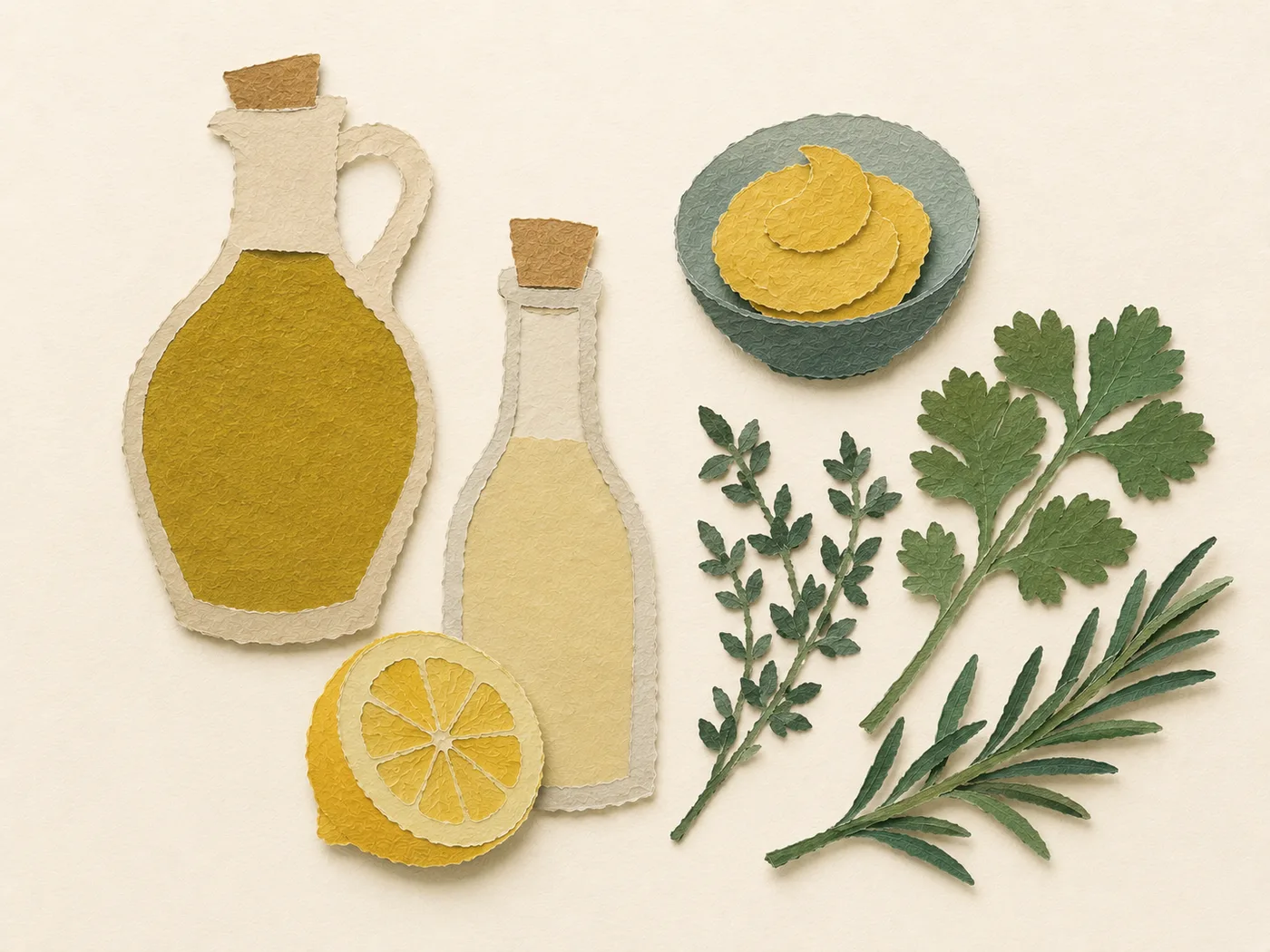
A dressing is either a vinaigrette or a creamy one, and the split is about the base. A vinaigrette is oil and acid held together by an emulsifier; a creamy dressing starts from a stable base like mayonnaise or buttermilk and gets thinned and seasoned from there. Get the ratio and the emulsifier right and the rest is seasoning.
Instructions
- 1Pick the style. Vinaigrette for something bright and sharp on greens; creamy for something rich that clings.
- 2For a vinaigrette, start about three parts oil to one part acid (vinegar or citrus), and adjust to taste from there.
- 3Add an emulsifier so it holds instead of splitting: a spoon of Dijon mustard or a little mayonnaise. This is the step most versions skip.
- 4Whisk the acid, emulsifier, salt, and aromatics first, then drizzle the oil in slowly while whisking, or seal everything in a jar and shake hard.
- 5For a creamy dressing, start from a stable base (mayonnaise, buttermilk, sour cream, or a mix), then loosen and brighten it with acid and thin with a little water or buttermilk until pourable.
- 6Season and balance: salt, then acid, then a touch of sweetness only if it tastes sharp. Add garlic, herbs, or chile for character.
- 7Rest a creamy dressing in the fridge at least twenty to thirty minutes so the flavors meld and any dried herbs or garlic bloom.
- 8Taste it on the actual food, not off the spoon; a dressing that tastes right alone often reads flat on a leaf.
Cook's Note
A vinaigrette will separate as it sits, which is normal; whisk or shake it again right before it goes on. Season a little harder than tastes right off the spoon, because greens and cold food mute it. Give a creamy or dried-herb dressing time in the fridge before serving so it does not taste raw and sharp.
How to Use This
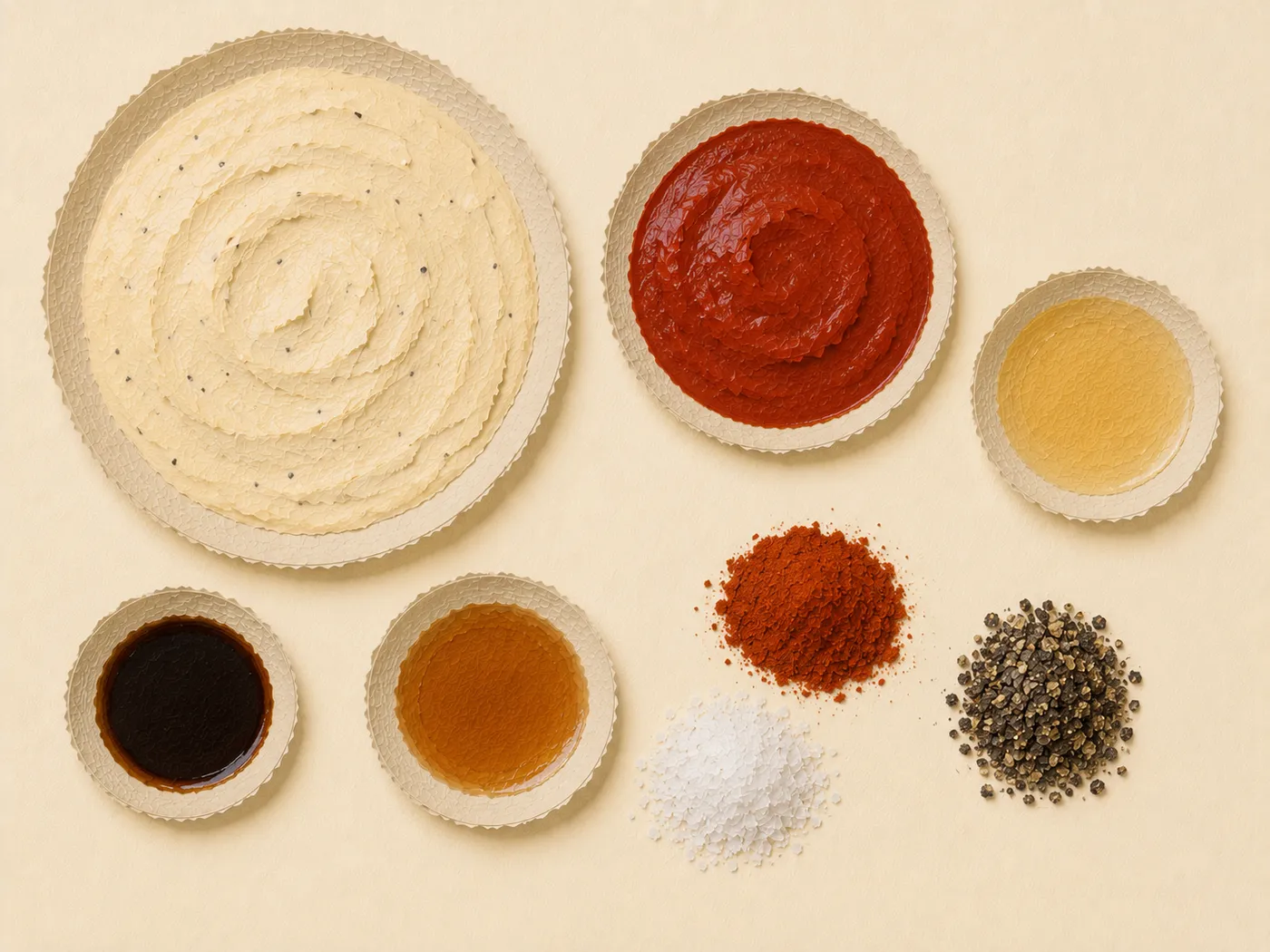
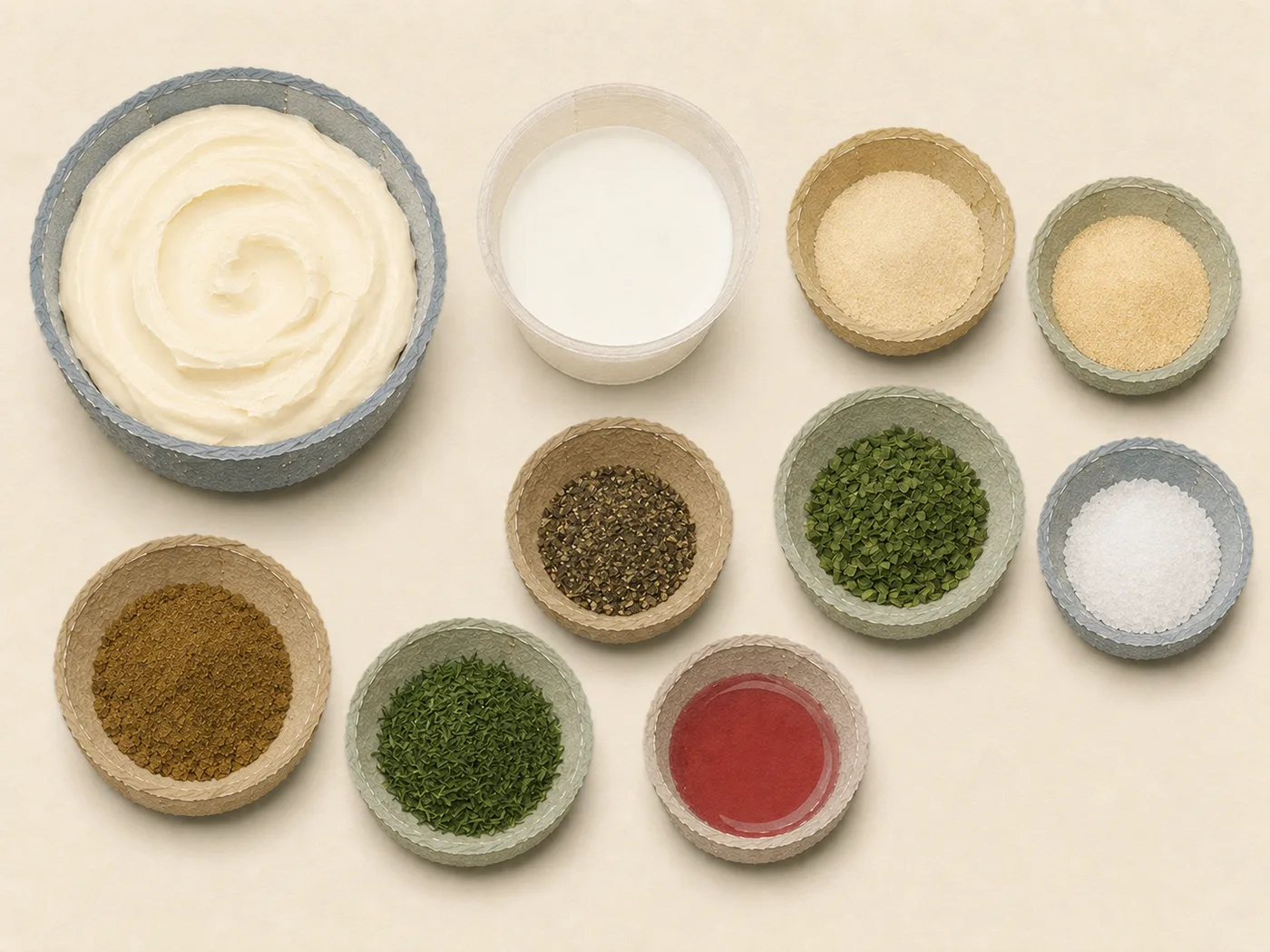
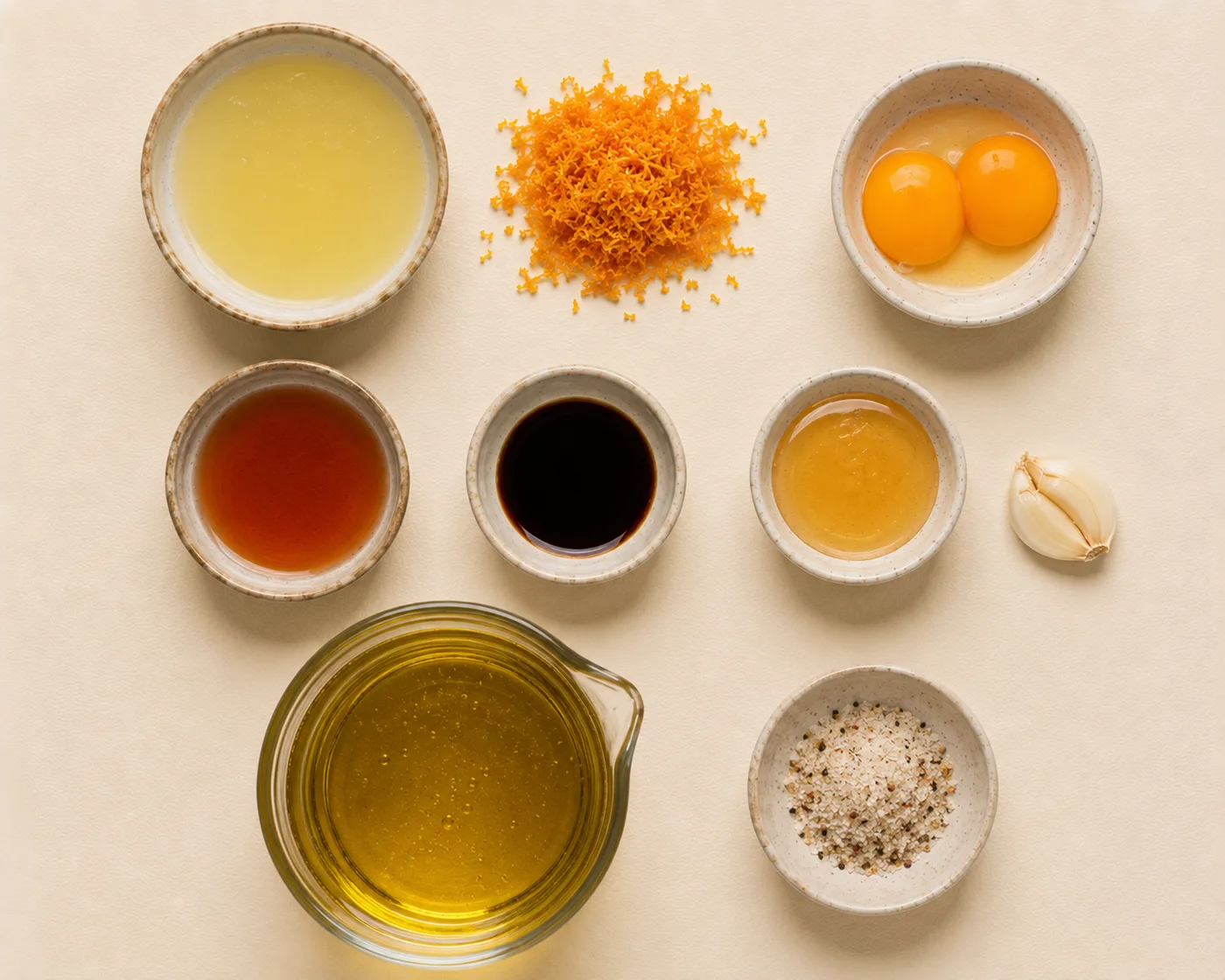
This method backs the dressings across the site. The Vinaigrette Base is the anchor, acid and oil held with Dijon and mayo so it does not split, and Dressing: Lemon Honey is the bright citrus-and-sherry-vinegar version of that idea. The creamy side starts from a stable base: House Ranch on buttermilk and mayo, House Caesar built on anchovy and garlic, and the all-purpose Creamy Herb Dressing. Spicy Thousand Island, Sriracha Dressing, Lobster Roll Dressing, and Peanut Dressing are creamy bases pushed in different directions with chile, fish sauce, or nut butter. Same two moves, emulsified thin or built creamy, every time.
Why This Method Works
Oil and acid do not mix on their own, so a plain vinaigrette separates within minutes. An emulsifier fixes that: mustard and egg yolk (the base of mayonnaise) carry lecithin, which coats the oil droplets and keeps them suspended in the acid, so the dressing stays creamy and combined instead of splitting into layers. That is why a spoon of Dijon or mayo turns a thin, separating vinaigrette into one that clings to a leaf. A creamy dressing skips that problem by starting from an already-stable emulsion (mayonnaise or cultured buttermilk), so the work there is thinning and seasoning, not holding it together. Resting matters because salt, acid, and aromatics need time to spread through the base; a just-mixed dressing tastes sharp and disjointed and settles within half an hour.
Make It Yours
- Classic vinaigrette: three parts oil, one part red wine vinegar, a spoon of Dijon, salt and pepper, shaken.
- Citrus: swap the vinegar for lemon or lime, with a little honey to balance.
- Creamy base: equal parts mayo and buttermilk, brightened with vinegar or lemon, then seasoned.
- Ranch route: the creamy base plus dried herbs, garlic, and dill, rested so the herbs bloom.
- Bold and spicy: build on the creamy base with sriracha, gochujang, or chipotle plus a little fish sauce for funk.