Techniques
How to Make Salsa
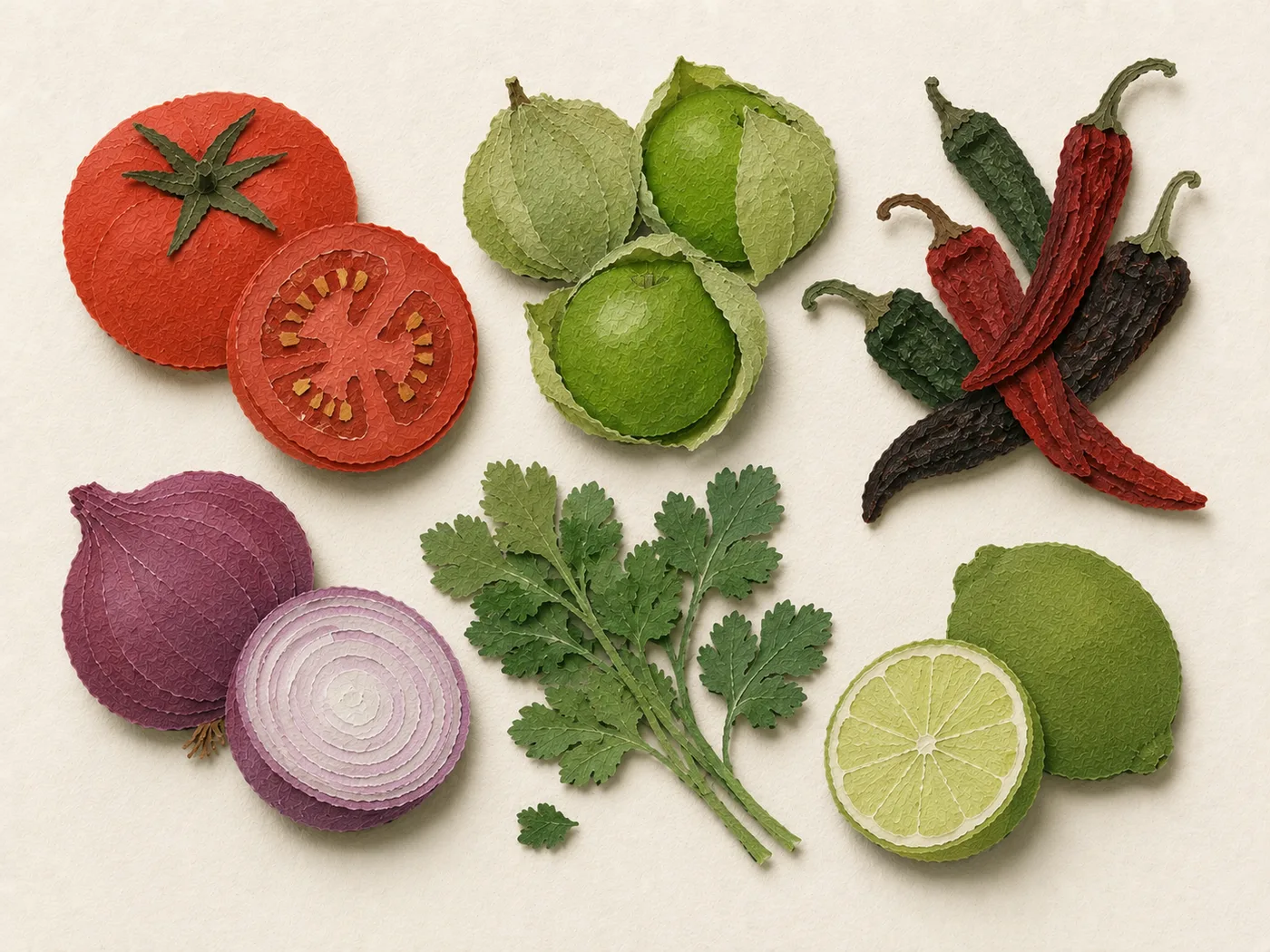
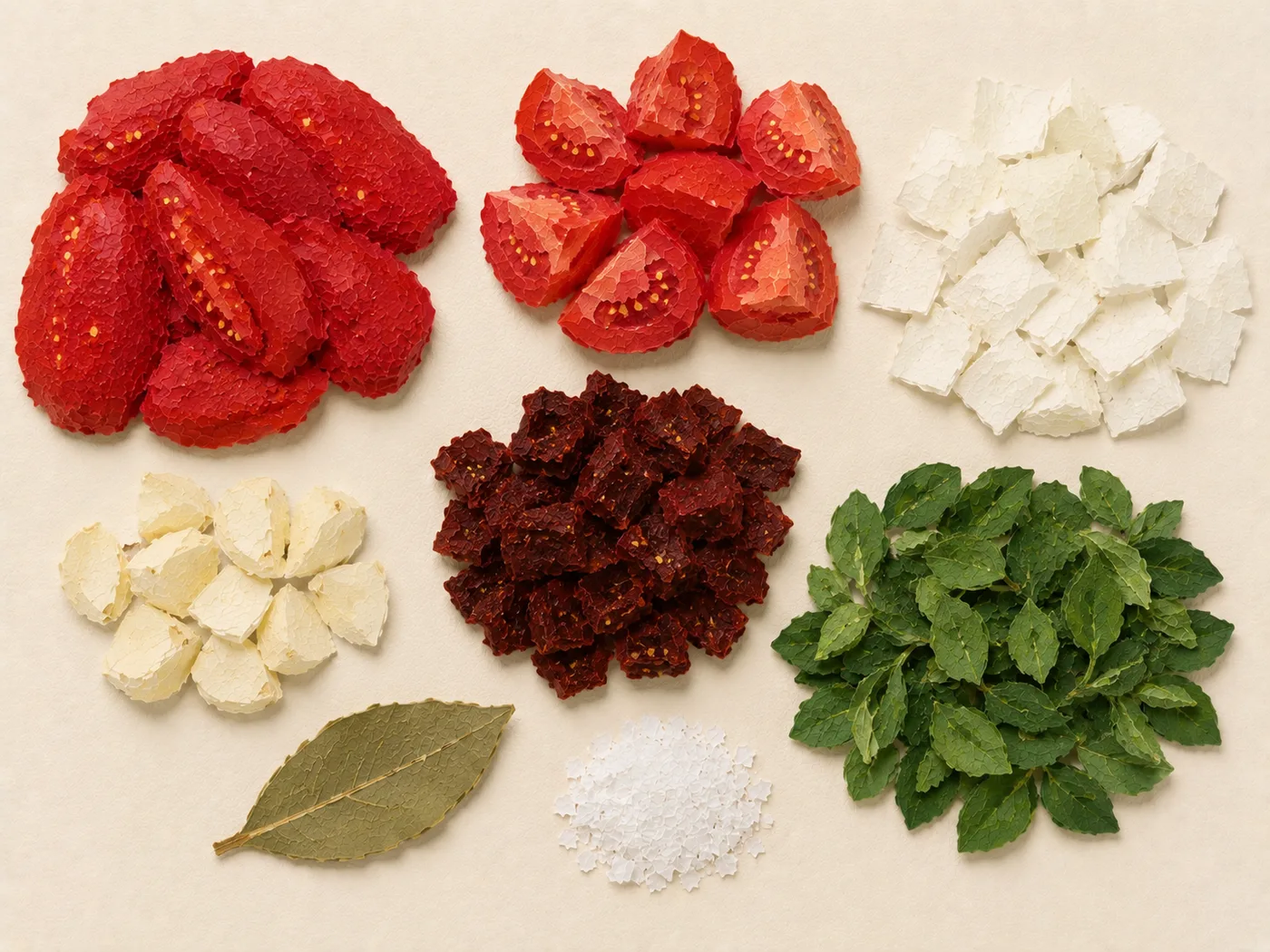
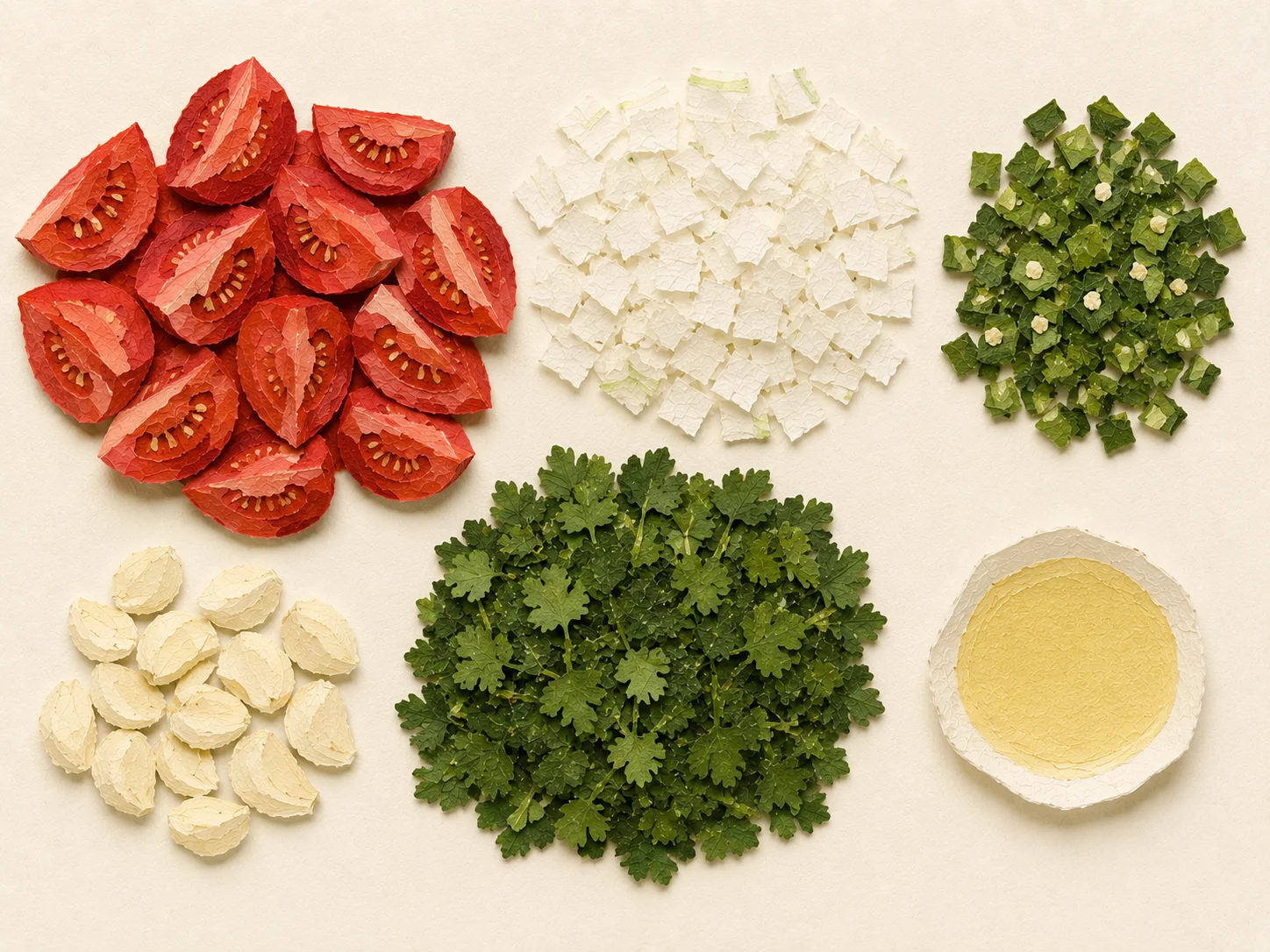
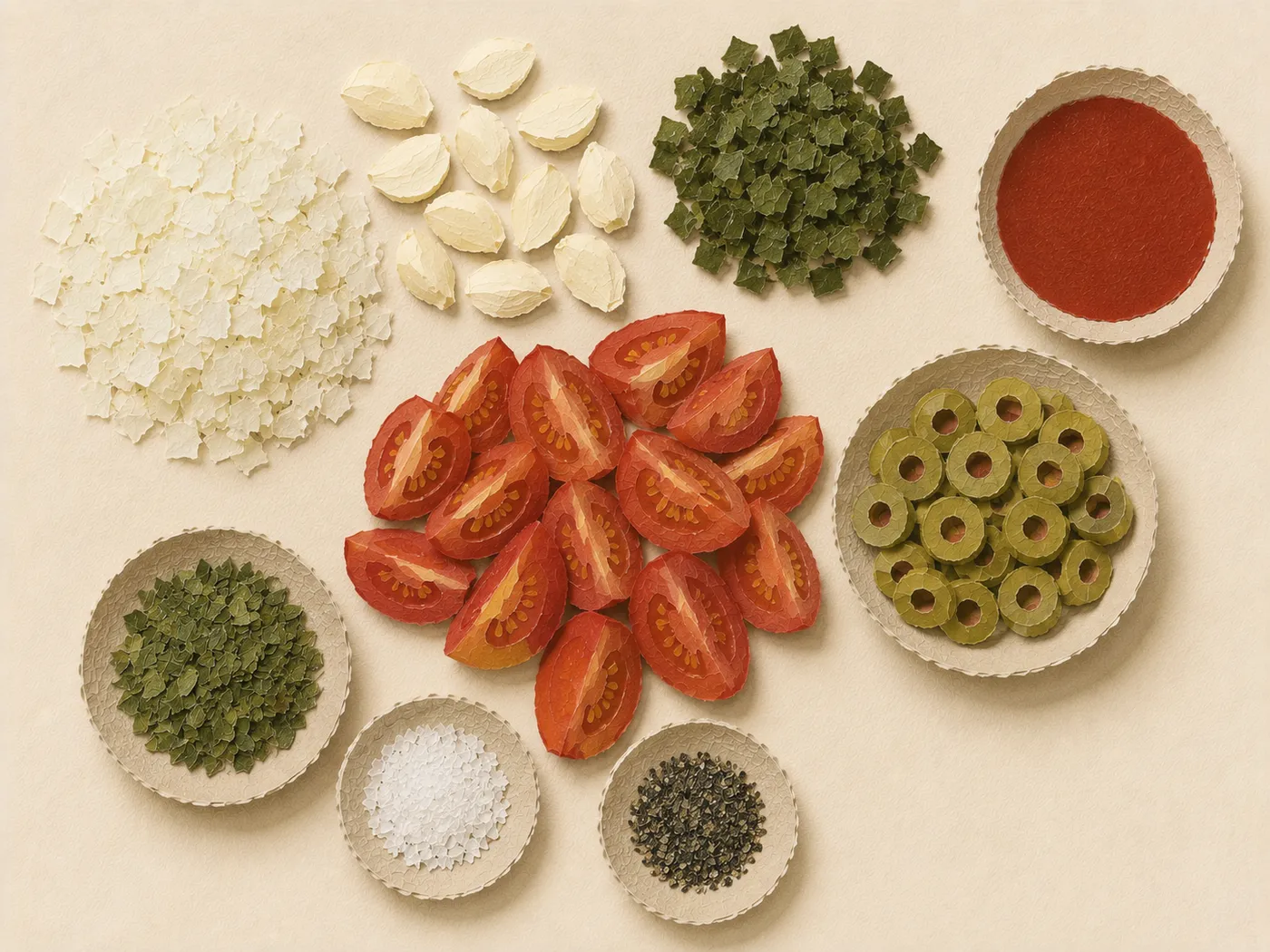
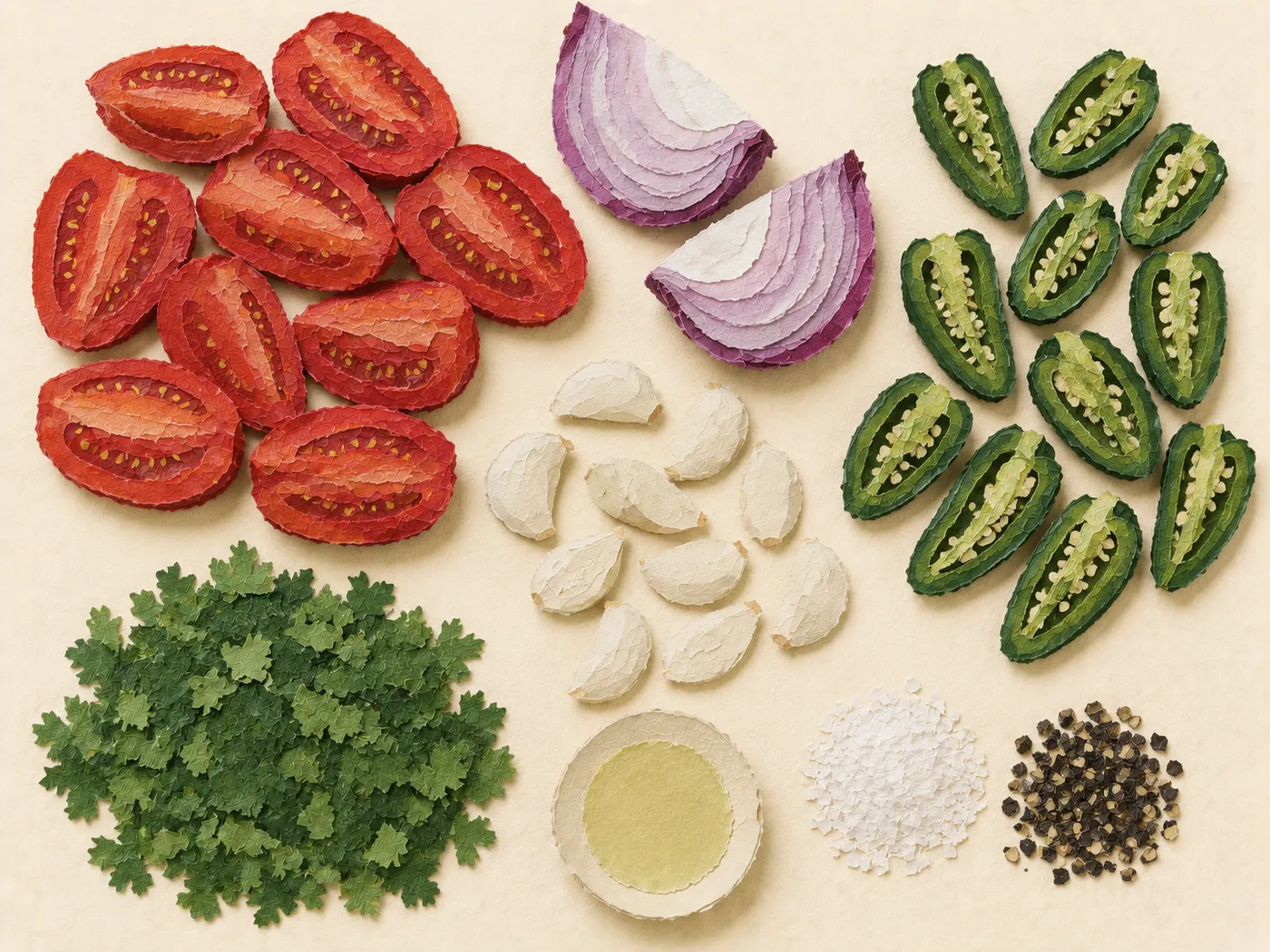
Salsa is not one recipe, it is a method applied to different ingredients. What sets each one apart is how you treat the base and the chiles: left raw for something bright and sharp, charred on a dry pan for smoke and depth, fried in oil for a deep roasted edge, or simmered down until thick and sweet. Pick the treatment first and the rest follows.
Instructions
- 1Pick a base and chiles. Tomato for red salsa, tomatillo for green. Fresh chiles (serrano, jalapeno, habanero) for bright heat, dried chiles (guajillo, ancho, chipotle) for deep, cooked flavor.
- 2Choose one treatment: raw, roasted, fried, or simmered. This is the whole decision.
- 3Raw (cruda): mince tomato, onion, chile, and cilantro fine and even, combine, salt, and add lime just before serving. The finer the cut, the better each bite.
- 4Roasted (asada): char the tomato or tomatillo, chile, onion, and garlic on a dry comal or under a broiler until blistered and blackened in spots, then blend or mash. The char is the flavor.
- 5Fried: fry the chiles and aromatics in a little oil until fragrant, then blend, for a dark, deep-roasted taste.
- 6Simmered (cocida): cook the tomato and chile down until thick and jammy, from twenty minutes to well over an hour depending on how concentrated you want it.
- 7For dried chiles, stem and seed them, toast lightly on a dry pan until fragrant and pliable (never blackened, which turns bitter), then soak in hot water until soft and blend with some of the soaking liquid.
- 8Set the texture: blend smooth for a pourable table salsa, or pulse (or grind in a molcajete) for a chunky one.
- 9Balance at the end: salt first, then acid (lime or vinegar), then a pinch of sugar only if a roasted or spicy salsa needs rounding. Taste and adjust.
Cook's Note
Toast dried chiles gently. A chile taken too far turns bitter and that bitterness carries through the whole sauce, so pull them at fragrant and pliable, not blackened. Salt a raw salsa just before it goes out; salted early, it weeps and thins. Cooked and fried salsas hold for days and often taste better the next day.
How to Use This
This method backs the salsas across the site. Pico De Gallo is the raw template, minced fine and dressed with lime at the last minute, and Roasted Jalapeño Pico De Gallo folds a roasted chile through that same raw base for heat without the sharp edge. Avocado Salsa blends raw tomatillo and avocado into a pourable green sauce. Blackened Tomato Salsa and the Tomatillo Salsa Base are the charred-on-a-pan route. Chipotle Salsa, Salsa Roja Base, and Veracruzana Salsa are simmered until thick. Salsa Diabla and El Diablo Salsa go the fried-then-blended way for a fierce, deep heat. Same method, different treatment each time.
Why This Method Works
Raw and cooked are two ends of one axis. A raw salsa is bright, sharp, and herbal because nothing has broken down; a cooked one is deeper, sweeter, and rounder because heat concentrates the tomato and tames the raw bite of the chile. Charring adds a layer of smoke and caramelization on top of that. Toasting or frying dried chiles blooms their oils and wakes up the flavor, which is why a fried or toasted-chile salsa tastes deeper than one built from raw paste. Salt and acid are the balancers: salt sharpens, acid lifts, and a small amount of sugar pulls a harsh, spicy salsa back into line.
Make It Yours
- Verde: simmered or roasted tomatillo with serrano, cilantro, and raw onion, blended bright and tart.
- Roja: rehydrated guajillo and ancho with roasted tomato, charred garlic, and onion, blended smooth.
- Molcajete: grind the roasted ingredients in a stone mortar instead of a blender for a coarser texture and a fuller flavor.
- Oil-based (macha style): fry dried chile, garlic, and seeds or nuts in oil, then blend coarse and spoon the oil and all.
- Heat control: seed the chiles for less heat, or leave the seeds and ribs in for more.