Techniques
How to Make a Silky Vegetable Puree
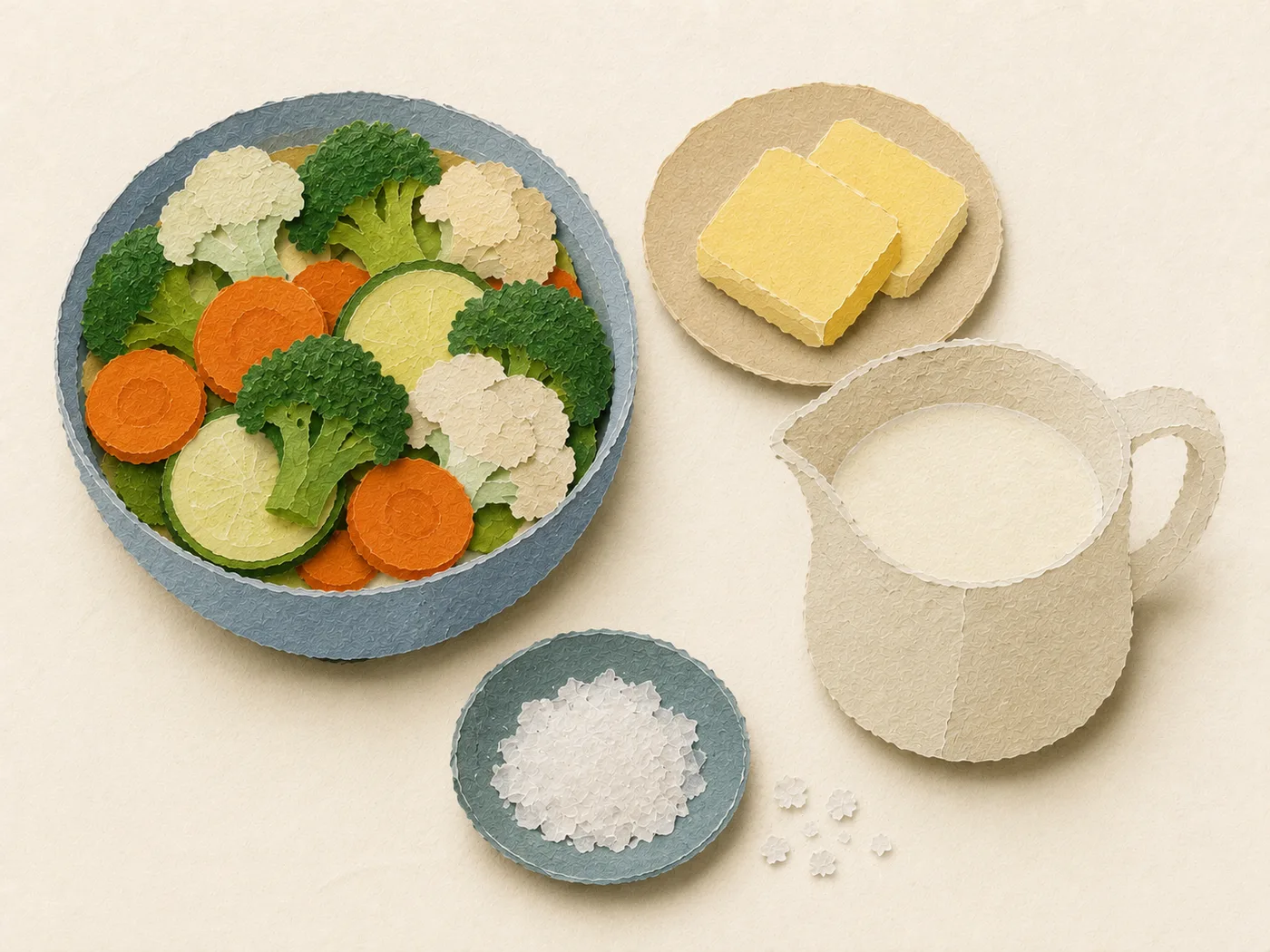
A silky vegetable puree is a cooked vegetable broken down until it is smooth and spoonable, then enriched with fat and seasoned to taste. The vegetable is simmered until fully soft, worked into a uniform mass, and loosened with warm dairy or oil so it turns glossy instead of pasty. How you break it down depends on the vegetable: starchy potatoes go through a ricer or food mill, while corn and beans blend clean. Pass the result through a fine sieve and you get the velvety, restaurant-style texture that works as a bed under fish, meat, or eggs.
Instructions
- 1Peel and cut the vegetable into even pieces so everything cooks at the same rate.
- 2Cook until completely soft, boiling or simmering until a knife slides in with no resistance, potatoes crush with light pressure, and beans smear between two fingers.
- 3Drain thoroughly, then let the vegetable steam dry in the colander for 2 to 3 minutes so leftover water does not thin the puree.
- 4Choose your tool by the vegetable: rice or food-mill potatoes to keep them light, and blend corn or beans on high until smooth.
- 5Warm your fat before adding it, gently heating milk, cream, or butter, or having oil at room temperature, so it folds in without cooling the puree.
- 6Fold or blend in the fat a little at a time until the puree turns glossy and holds a soft ribbon off the spoon.
- 7Pass it through a fine-mesh sieve or tamis for the silkiest texture, pressing it through with the back of a ladle to catch skins and fibers.
- 8Season with salt and pepper, taste, adjust, and serve warm on a warm plate so it stays fluid and glossy.
Cook's Note
Drain and steam-dry the vegetable before adding any dairy or oil. Water left in the pot thins the puree and, with potatoes, works the starch into a gluey paste. Give it a few minutes in the colander over low heat until the surface looks matte, then add your fat.
How to Use This
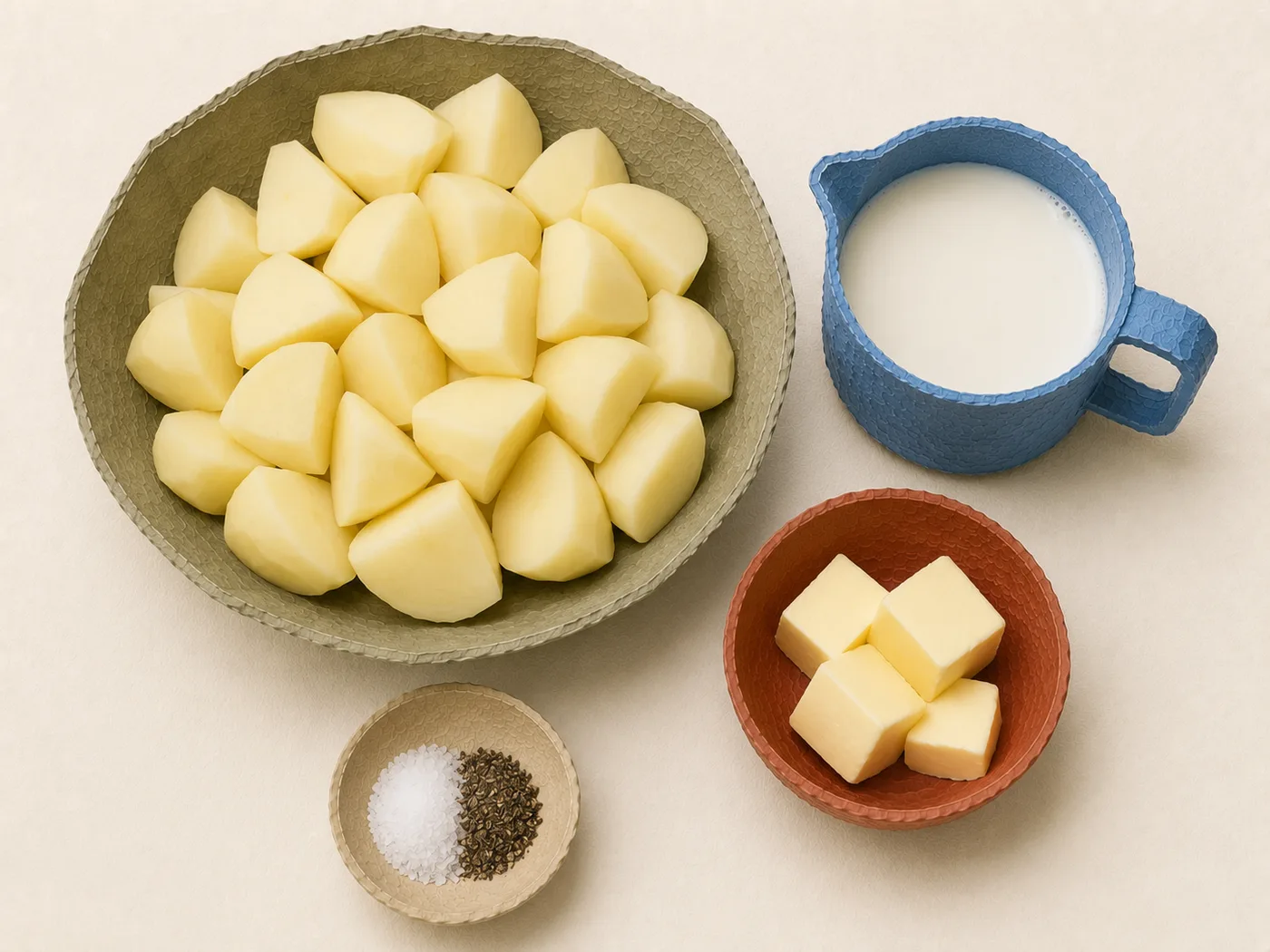
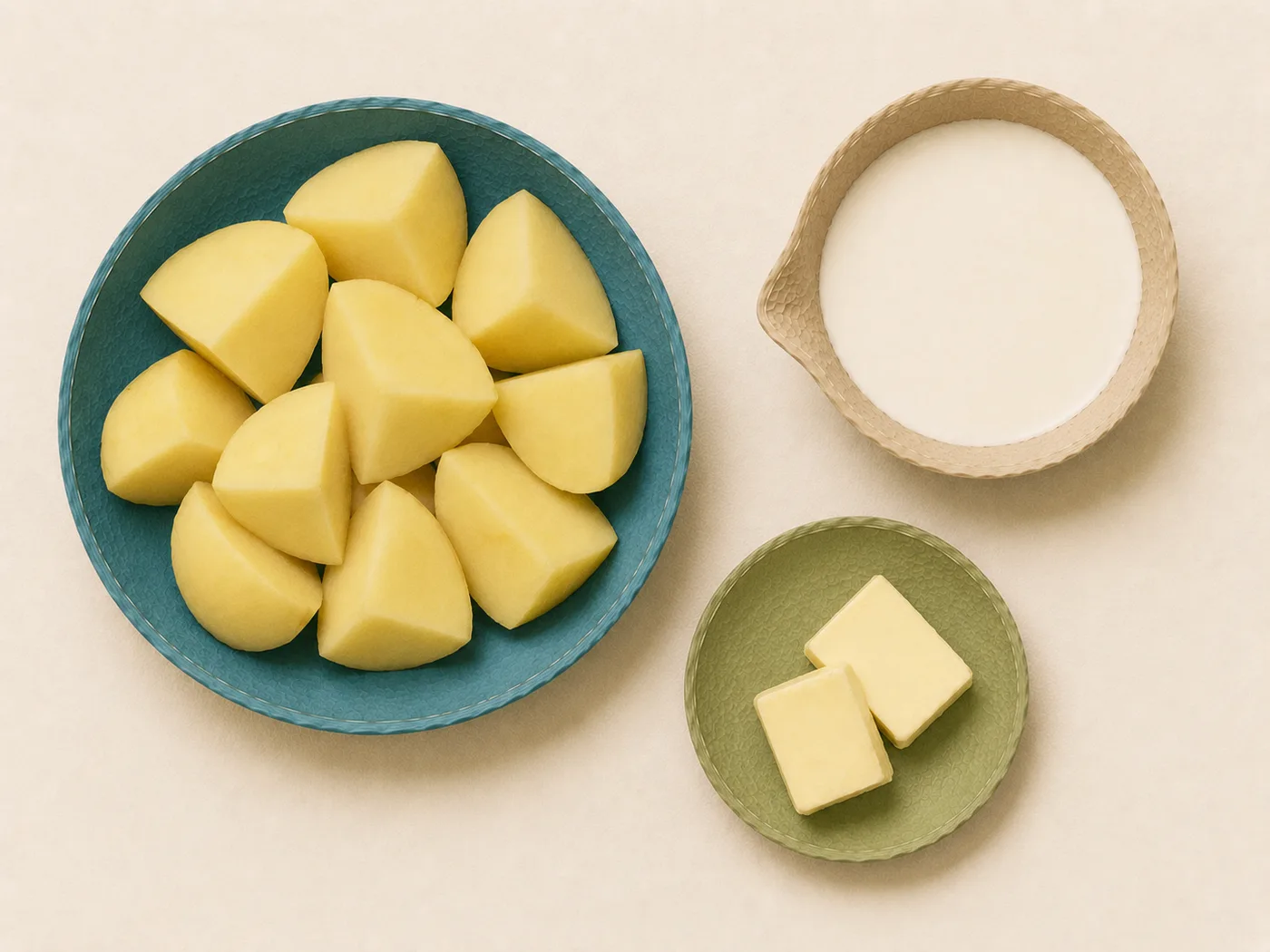
This is the shared technique behind the smooth purees on the site. Use it for the Potato Puree and the silkier Yukon Gold Potato Puree, both riced and enriched with warm dairy, and for the Sweet Corn Puree, blended and sieved into a spoonable sauce. It is the same method as the savory bean purees, the Black Bean Puree and the Pinto Bean Puree foundation, which blend smooth and finish with oil. Spread any of them warm across a plate as a base, or tuck them into tacos and under eggs. For the deliberately rough, holds-its-shape counterparts, see the Chunky Mashed Potatoes and the pulsed Corn Puree, which skip the sieve on purpose.
Why This Method Works
Cooking the vegetable until fully soft collapses its cell walls, which is what lets it break down into something smooth rather than grainy. Starchy vegetables like potatoes are the exception to blending: their cells are packed with starch granules, and a blender or processor ruptures those cells and releases free starch, which turns the puree gummy and gluey, so a ricer or food mill that presses gently is the right tool for them, while low-starch corn and beans blend smooth with no penalty. Folding in warm fat coats each particle and emulsifies into the puree, giving it sheen and a rounder mouthfeel, and a final pass through a fine sieve pulls out skins and fibers for the velvety texture.
Make It Yours
- Potato, silky: rice hot Yukon Golds and fold in warm cream and butter for the smooth, restaurant-style version.
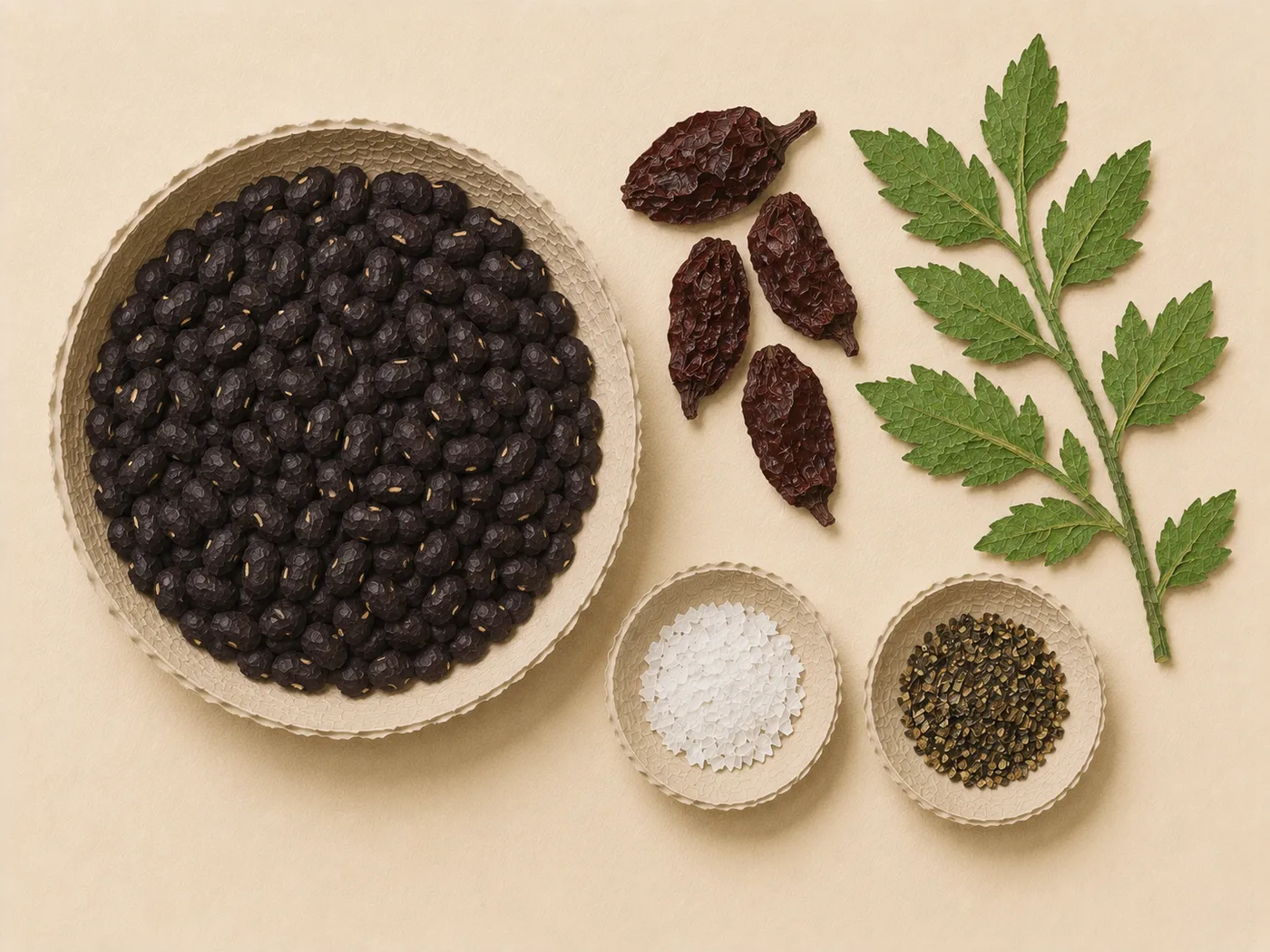
- Bean, savory: simmer pinto or black beans with onion, jalapeno, garlic, or a chipotle, then blend smooth and gloss with a spoon of oil.
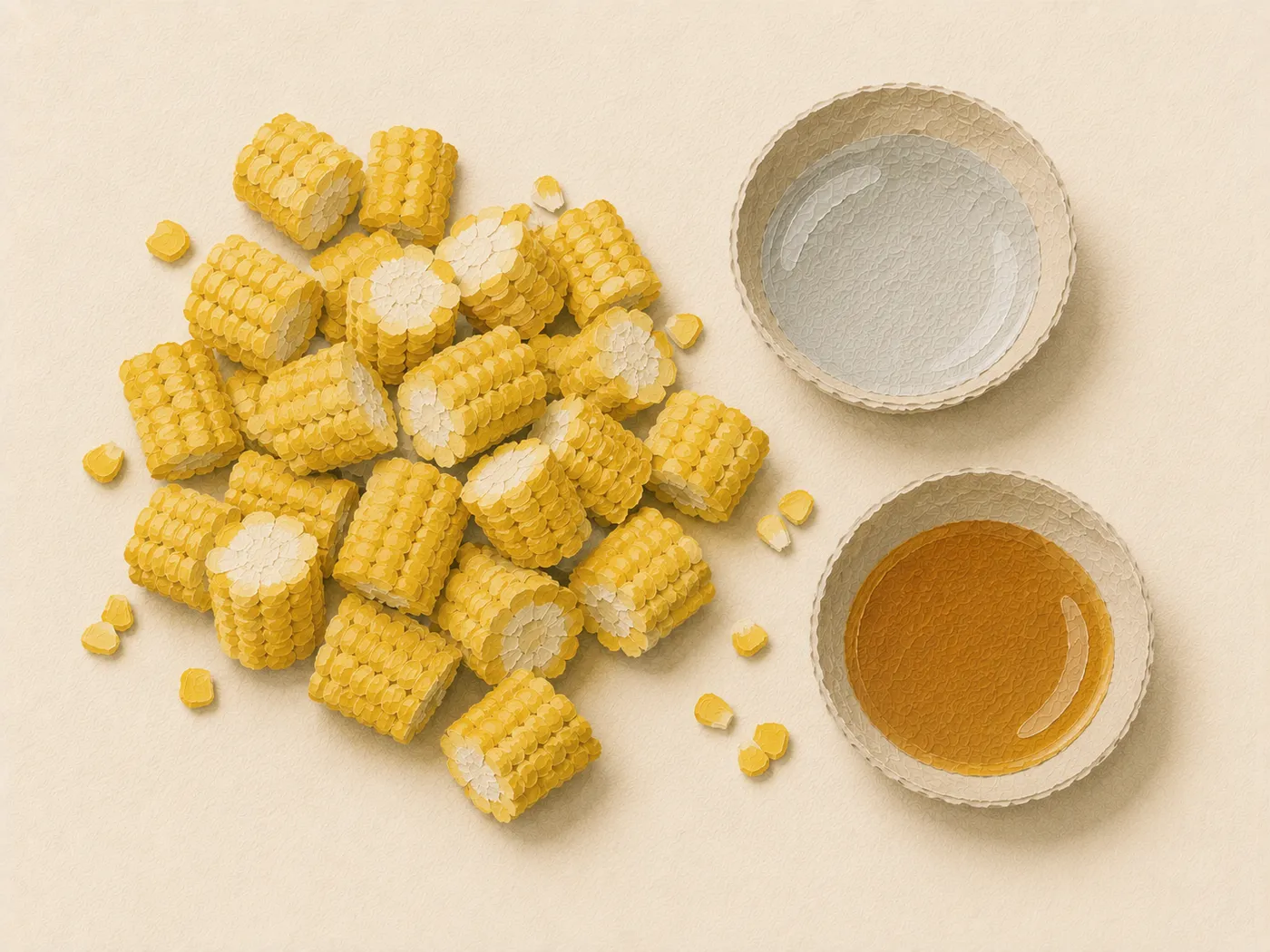
- Sweet corn: blend cooked corn with a little agave or sugar, then sieve for a bright, spoonable sauce.
- Herb and smoke: drop a sprig of epazote or a dried chile into the simmer, and pull it before blending so no tough bits carry through.
- Looser or thicker: thin a stiff puree with a splash of the warm cooking liquid, or simmer a loose one down before you sieve it.