This bright citrus pickle brine is for the cold, sharp little things that make dinner taste awake: limey onions for tacos, lemony cucumbers beside grilled chicken, orange-ginger carrots for bowls, or grapefruit fennel with rich fish. It is quick, flexible, and made for the fridge, giving crisp vegetables clean acidity without the heavier bite of a vinegar brine.
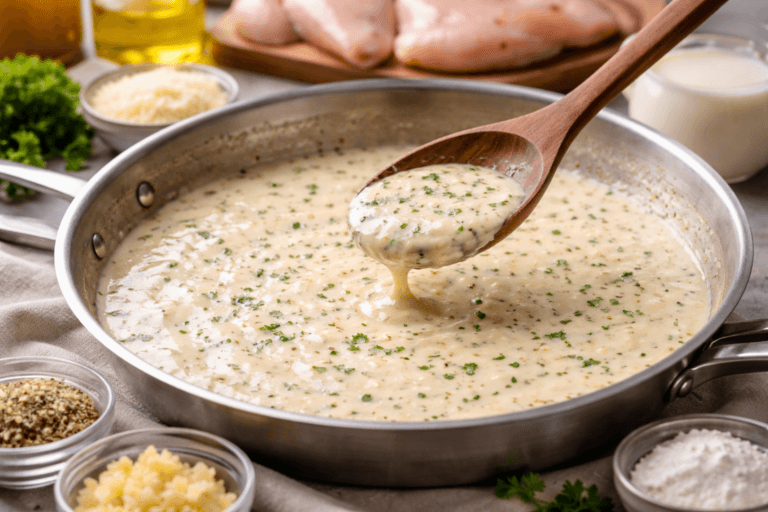
Best served with:
Bright Citrus Pickle Brine
Ingredients
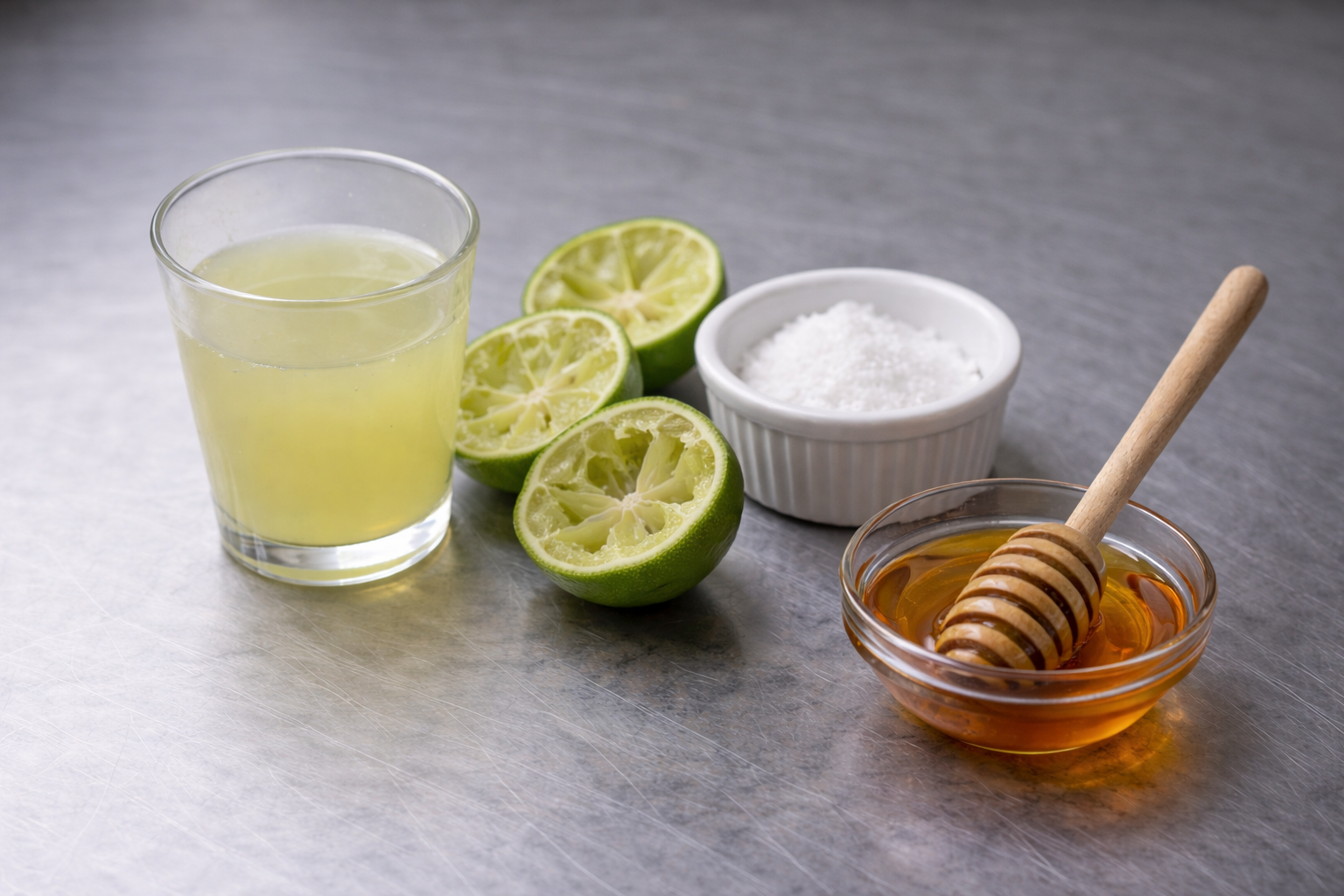
- 160 ml fresh citrus juice
- 80 ml cold water
- 10 to 15 g kosher salt
- 1 tsp sugar
Instructions
- Whisk the citrus juice, cold water, kosher salt, and sugar in a clean jar or non-reactive bowl until fully dissolved.
- Cover and refrigerate until cold.
- Use immediately for quick fridge pickles, or keep refrigerated for up to 3 days for the brightest flavor.
Cook’s Note: This is a refrigerator brine, not a shelf-stable canning brine. Keep it cold, use a clean non-reactive jar, and treat it as a short-term flavor foundation. Fresh citrus tastes brighter than bottled juice, but its acidity can vary, so this brine is best for quick fridge pickles and finishing acidity, not pantry storage.
Why This Recipe Works
Fresh citrus gives the brine acidity, aroma, and a cleaner finish than straight vinegar. Salt seasons the vegetables, a little sugar softens the sharpest edges, and cold storage helps everything stay crisp. The formula stays useful because it is simple: citrus for brightness, salt for seasoning, water for balance, and just enough aromatics to point the flavor in the right direction.
How to Use This Brine
This brine works best with vegetables that hold their shape in the cold. Thin slices drink it up fast; thicker cuts take longer but come out with more snap.
For a same-day pickle, reach for thinly sliced red onion, cucumber, radish, jalapeño, serrano, shaved fennel, or cabbage. They soften just enough in about 30 minutes and get better sitting in the brine for an hour or two. This is the kind of thing to make while dinner is finishing, when the plate needs one cold, sharp edge.
For overnight pickles, carrots, cauliflower stems, celery, fennel wedges, or thicker onion and carrot slices are a better fit. They need more time to absorb, but they hold their crunch well and keep easily in the fridge for bowls, sandwiches, grilled meats, eggs, or anything rich that needs a little lift.
Skip soft greens, ripe tomatoes, cooked vegetables, or fresh herbs you want to stay bright. They collapse fast, cloud the brine, or lose the clean flavor that makes this worth making.
Make It Yours
The citrus you choose shapes where the brine lands. Lime gives the sharpest bite and works well with onions, jalapeños, cabbage, radishes, tacos, grilled meat, and eggs. Lemon is the most versatile everyday choice, especially with cucumbers, celery, fennel, cauliflower, chicken, fish, potatoes, and creamy sauces. Orange rounds the brine out and softens it slightly, which suits carrots, cabbage, fennel, ginger, and chilies. Grapefruit adds bitterness and a little perfume, so reach for it when the pickle needs to cut through rich fish, roast chicken, creamy beans, or anything buttery.
Keep the aromatics focused. Dill makes the brine cooler and more classic. Cilantro stems push it toward tacos and rice bowls. Ginger adds warmth, especially with orange or lime. Garlic gives the brine savory depth, but one small clove is usually enough.
For spices, black peppercorns are the safest all-purpose choice. Coriander seed adds a warm citrus note and works especially well with carrots, fennel, and cauliflower. Mustard seed makes the brine taste more like a classic pickle. Cumin seed is stronger, so save it for lime-heavy brines with onions, cabbage, jalapeños, or taco-style meals.
A few easy combinations:
- Lime, red onion, jalapeño, cilantro stems, and black pepper for tacos, eggs, beans, and grilled meat.
- Lemon, cucumber, dill, garlic, and mustard seed for sandwiches, roast chicken, tuna, potatoes, and creamy sauces.
- Orange, carrot, ginger, coriander, and chili flakes for rice bowls, pork, chicken, and roasted vegetables.
- Grapefruit, fennel, black pepper, and a little mint for fish, creamy beans, roast chicken, and rich cheeses.
Pairing Suggestion
Serve citrus pickles with sparkling water and lime, iced tea, cold beer, or a spoonful of plain yogurt when the plate needs something cool next to the acidity. They are especially good beside grilled meat, fried food, rich eggs, creamy beans, or anything with melted cheese.
Leftover Strategy
Keep the pickled vegetables refrigerated and use them while they still taste bright and crisp. Once the vegetables are gone, whisk the leftover brine into vinaigrettes, spoon it into yogurt or sour cream for a quick sauce, stir a little into grain bowls, or use it in small amounts to brighten marinades.
If the brine tastes dull, cloudy, or flat, let it go. This foundation is about freshness, not long storage.
Kitchen Connections
Foundation: Dinner Spice Foundations.
Next Dishes: Lemon Apple Sauerkraut; Lime-Pickled Medley.